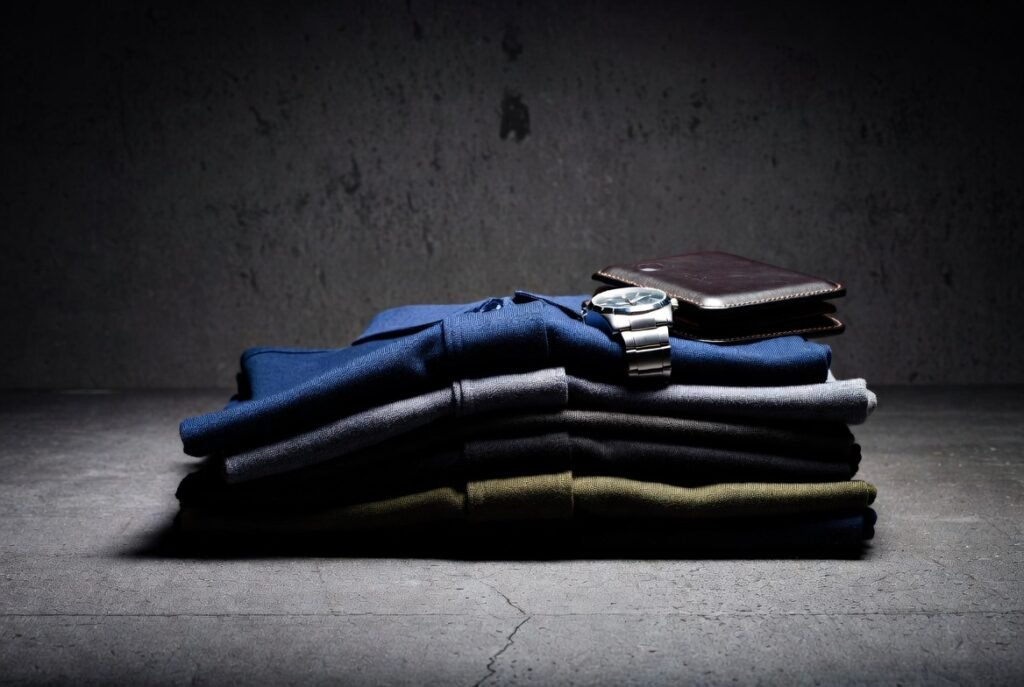
A Watch Should Not Be An Announcement
A watch is a necessity. Not because it tells time. Your phone already does that. Because it is one of the few accessories available to men that can last a lifetime and still sit assuredly on your wrist.
Too many men get this wrong. They buy a watch to speak for them. Big face. Loud bezel. Brand first. That is noise. That is a man asking the object to do the work his presence should do.
A watch is a cornerstone. An extension of appearance. It belongs to the totality — clothes, posture, hygiene, how you carry yourself. It does not create the look… it refines it, completes it.
Price is subjective. Feel, cohesion, and capability decide. A cheap watch that fits the rest of you beats an expensive one that shouts into the void of superficial admiration.
A watch is also part of your gear, a tool. It keeps us aware of time spent in our surroundings. That is the purpose. Everything that follows is decoration.
Vintage vs. New
Vintage watches show admiration, thoughtfulness, and dedication. Patina. Unity. Someone has lived with it. The case, the strap, the wear all belong together, worn thoughtfully through time.
New watches are fun, digital watches can be useful, but they can also cast a shadow. If the piece is louder than the man, the read is wrong. Caution must be taken in selection and purpose.
If your watch is telling a story, decide the story before you strap it on. Sophistication. Quiet confidence. Competence. Never crowd-pleasing. Never worn for other people. That is a tell. Inferiority signals in metal, plastic, or ceramic are all the same.
The brand is literally irrelevant unless you are a collector of movements. All things collected belong in a collection, when worn they should be as you are.
Flamboyance is noise. Unity is signal.
A watch that leads is the same as a designer logo that shouts. It pulls the eye off you and onto the object. That is performance.
A watch that fits the man disappears into the whole. Clean lines. Right size for the wrist. Strap that matches the rest of the kit. Nothing that needs explaining or introduction.
Beau Brummell put the rule in one line: “If people turn to look at you in the street, you are not well dressed, but either too stiff, too tight, or too fashionable.”
The same law applies to the wrist. If they notice the watch before they notice the man, your telling a story you may not want to tell.
Five reference points
- The watch as tool. Wristwatches became standard because officers needed both hands free. Field watches were built to be read, not admired. That origin still matters. If it cannot tell time clearly, it is jewelry pretending to be gear.
- Quiet dress. Chesterfield drilled it: affectation in dress implies a flaw in the understanding. A man of sense avoids any particular “character” in what he wears. Clean for his own sake. The rest for order, not display.
- Unity of presence. The look is one thing. Shirt, trousers, shoes, watch. If one piece is doing a solo, the rest looks unfinished. Vintage pieces often win here because they already learned restraint. New pieces have to earn it.
- Match Your Leathers: If your watch has a leather strap, its color should match your shoes and your belt (e.g., black shoes require a black watch strap).
- Match Your Metals: The metal casing of your watch should closely match your other accessories, such as your belt buckle, ring, and cufflinks.
What to wear
- Size that belongs on your wrist, not a billboard
- Simple moving towards sophisticated based on fit.
- Leather, canvas, or steel that matches the rest of your kit
- A light rotation to set the tone.
Never wear a watch to be seen. Wear it because it works.
Fuck the noise. Keep the signal.
Sharpen the Edge
Here are some things we’ve found inspired by this post that are fucking great. Who knows… anything interesting or that changes your perspective, your thoughts, or the way you feel?
- Transparency: This post contains affiliate and amazon affiliate links. If you click and buy, we may get a small commission at no cost to you. Thank you.